
Scythe: Digital Edition
The Knights of Unity Sp. z o.o.Board
3.8156.00 Reviews
- Version
- Varies With Device
- Installs
- 50.00K
- Age Rating
- Everyone 10+
Screenshots
Our Review of Scythe: Digital Edition
 Analysis by Appyee
When I want a phone game that asks me to think rather than simply fill a few spare minutes, a digital strategy board game is an appealing choice. Scythe: Digital Edition takes that kind of play into an alternate 1920s Europe, where farming, machinery, and competition for influence share the same landscape. Its strongest impression comes from the way the setting and the strategic decisions support one another: the world looks inviting, but the choices are rarely casual.
A distinctive first impression
The game is a premium board game adaptation from The Knights of Unity Sp. z o.o., priced at $9.99, with in-app purchases listed at $4.49 per item. It has an average rating of 3.8 from around a thousand ratings, and more than 50,000 installs. That gives a prospective player a useful sense of its place: this is a focused, paid strategy game, not a free, lightweight board-game diversion. Its Everyone 10+ content rating also makes it a reasonable option for older children and adults who enjoy deliberate play.
I would not approach it expecting a quick match to be as effortless as a simple dice or card game. The appeal is in learning how its choices fit together, then gradually spotting better ways to use them. If you already enjoy board games with several competing priorities, that learning curve can be part of the pleasure. If you mainly want something you can understand in seconds while waiting in line, the initial commitment may feel like work.
Setting, sound, and strategy
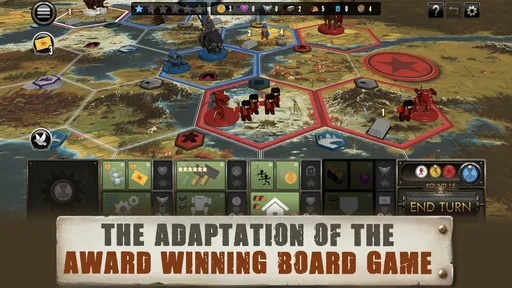
Picture this: it’s the 1920s, but not quite the era you learned about in history class. In Scythe: Digital Edition, the Great War has left Europe in a state of flux. Nations are vying for dominance with a mixture of military might, technological advancements, and strategic alliances. The game beautifully captures this alternate reality with stunning visuals and a gripping soundtrack that immerses you right into the heart of a continent on the brink of revolution.
How the world communicates its mood
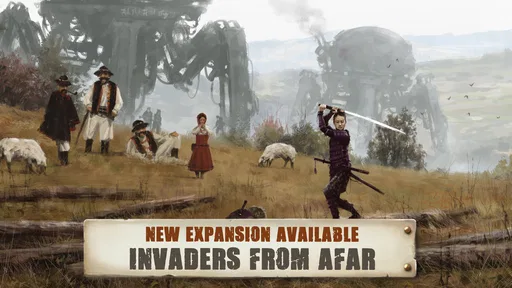
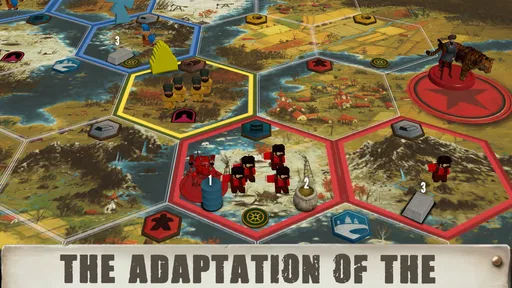
What really caught my eye was the attention to detail in the artwork. Everything from the landscapes to the mechanized units is crafted with intricate detail. It’s not just a game; it’s a piece of art that you’ll find yourself admiring as you strategize your next move.
The visual contrast between a pastoral setting and imposing machines is more than decoration; it helps make the game’s central tension legible. You are not simply looking at a battlefield. The landscape suggests production and expansion as well as conflict, so the atmosphere does not push every decision toward aggression. I find that balance more distinctive than the usual board-game presentation built around bright tokens and abstract spaces.
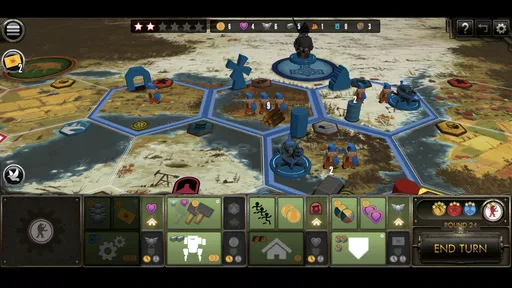
That atmosphere works best when I pause to read the board instead of rushing through turns. The artwork gives the factions and terrain a strong identity, while the strategy asks me to consider what those spaces can do for my position. A practical habit is to take a moment at the beginning of a session to scan the board and understand where resources and opponents are, rather than immediately committing to a favorite-looking move.
Sound and the pace of a session
The soundtrack supports the setting’s reflective, slightly tense mood rather than turning every turn into a dramatic battle scene. That restraint suits the game: much of the excitement comes from anticipating consequences, not from constant action. I like having the sound on when I am settling in for a proper session, because it helps the game feel like a place. In a noisy room or during a short break, though, the strategic decisions matter more than the audio, and the experience still rests on the board and the choices in front of me.
The pacing is deliberate. A turn can involve weighing development, resources, position, and the risk of giving an opponent an opening. That makes a session rewarding when I have time to think, but less suitable for distracted play. If I only have a few minutes, I would rather use that time to review a position or learn a rule than begin a game I may need to abandon mid-plan.
Gameplay Mechanics
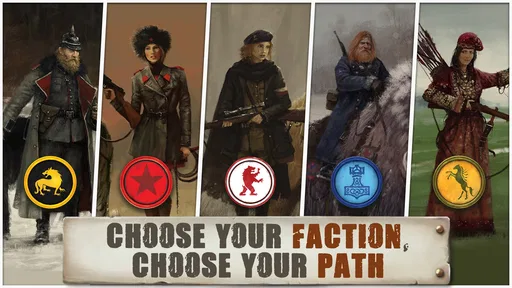
Diving into the gameplay, Scythe: Digital Edition offers a complex blend of strategy, resource management, and combat. Don’t worry if that sounds a bit overwhelming—there’s a helpful tutorial that guides you through the basics. You’ll start by selecting a faction, each with its unique abilities and starting resources. From there, it’s all about expanding your territory, building an economy, and outsmarting your opponents.
The tutorial is a sensible place to begin, but I would treat it as an introduction rather than proof that every strategic consequence will be obvious straight away. The more useful learning comes from noticing how the actions you choose fit together over several turns. A good first-session goal is not to win through a perfect plan; it is to learn how your faction’s starting situation changes the value of your options. That small shift in expectations makes early mistakes less frustrating.
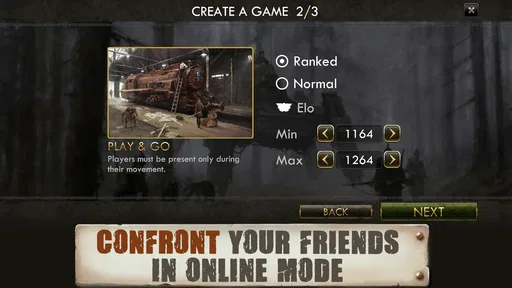
The game offers several modes to keep things fresh. Whether you’re into solo play against AI, online multiplayer, or pass-and-play with friends, there’s something for everyone. I personally loved the multiplayer mode. It’s like living out my board game dreams with friends scattered across the globe.
Those modes make the game easier to fit around different social situations. Solo play is useful when I want to learn without asking friends to wait while I work through decisions. Pass-and-play suits a shared room and a group willing to take turns around one device. Online play is the natural choice when friends are elsewhere, although a strategy game still asks everyone to make time for a full, thoughtful session. The right mode depends less on the rules than on whether your group wants a quiet planning game or a quick, chatty party activity.
Strategic depth and meaningful trade-offs
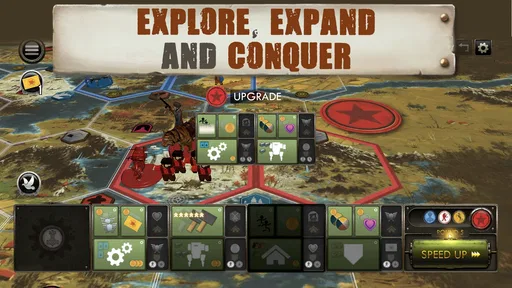
If you’re a fan of strategy games, you’ll appreciate the depth Scythe: Digital Edition offers. It’s not just about building the biggest army or conquering the most territory. You’ll need to balance military might with resource gathering, technological development, and diplomacy. Each decision impacts the next, and that’s where the real thrill lies.
One of my favorite features is the action selection system. Each turn, you choose actions from a limited set, and the challenge is to plan several moves ahead. It’s a mental workout, but when a plan comes together, it feels incredibly satisfying.
That limited choice is also where I see the most important trade-off. A tempting action can be less useful if it leaves the rest of a plan awkward, while a modest move may set up a stronger turn later. I try to think in short sequences: what do I need now, and what option will I want next? This is more dependable than treating each turn as an isolated opportunity. It also makes the game’s strategic depth feel earned rather than mysterious.
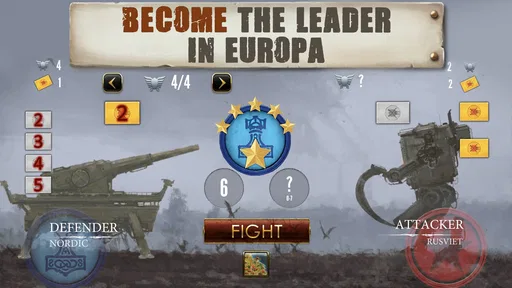
Combat is part of the contest, but a player who assumes that the largest force is automatically the best answer can miss the broader economic and positional picture. I find it helpful to ask what a fight would actually gain before committing to it. If the answer is only “I can attack,” that may not be enough. The game’s appeal comes from having several ways to make progress, so avoiding a costly confrontation can be a strategic choice rather than a sign of passivity.
Choosing the right way to play
Compared with a familiar digital card game or a simple turn-based board game, this is a more involved commitment. Those alternatives are better when I want short rounds, quick rules, or frequent bursts of play. Scythe is a better fit when I want a board to study, long-term plans to adjust, and a setting that makes the decisions feel connected. It is also different from a conventional action strategy game: the tension comes from managing a limited set of choices and reading a shared board, not from reacting quickly to constant motion.
For a realistic evening, I can imagine starting a solo game after dinner, using the opening turns to learn a faction’s options, then returning to the board with a clearer idea of what I should prioritize. With friends, I would agree beforehand that everyone is comfortable with a slower pace; otherwise, the thoughtful turns that make the game satisfying for me could feel like waiting to someone who prefers rapid rounds. That is a useful expectation to set before choosing multiplayer.
The game is best for people who enjoy adapting a plan, comparing different priorities, and accepting that a good decision may take a moment. It may be a poor fit for players who dislike tutorials, have little patience for rules-heavy games, or want combat to dominate every turn. Likewise, if you are looking for a casual game to hand to a group unfamiliar with strategy board games, a simpler alternative is likely to get everyone playing sooner.
Interface and everyday friction
The developers did a fantastic job with the user interface. It’s intuitive and user-friendly, which is crucial for a game with so many layers. The menus are neatly organized, and the touch controls are responsive, making it easy to navigate through the game’s various options and features.
Even a clear interface cannot remove the mental load of a complex board. I would play on a screen where I can comfortably inspect the board and read the available choices, rather than treating this as a game for every tiny pocket of downtime. When learning, it also helps to slow down and check what an action will do before selecting it; the value of a turn depends on context, and tapping quickly is not the same as playing efficiently.
Not to mention, the game is stable with minimal bugs. I’ve yet to experience any crashes or major issues, which is always a plus in the world of mobile gaming.
One question a buyer may have is whether the upfront price suits their habits. For me, it makes sense if I expect to return to a deep board game and use its solo or social modes; it is harder to justify if I only play mobile games in brief, irregular bursts. The additional in-app purchase price is $4.49 per item, so I would consider the core game on its own merits rather than assuming optional purchases are necessary to enjoy it.
Who will enjoy this particular board game
As a board game, it rewards people who like learning a system and then finding their own rhythm within it. It can work for a solo player who wants a thoughtful opponent in the AI, for friends who enjoy remote competition, or for a household willing to share one device and take turns. The setting is a bonus for players drawn to alternate history and machinery, but I would not recommend buying it on atmosphere alone: the strategic decisions are the real reason to stay.
If your priority is a relaxed game that demands little attention, the deliberate pace and layered decisions are real drawbacks, not minor inconveniences. If your group tends to talk over turns or wants quick wins, a lighter board game will probably suit the occasion better. I would also avoid treating the tutorial as a shortcut to mastery. The game is more enjoyable when I give myself room to learn through play rather than expecting to understand every consequence immediately.
Atmosphere verdict
So, is Scythe: Digital Edition worth your time? Absolutely. Whether you’re a seasoned board game veteran or new to the genre, there’s something here for everyone. The combination of beautiful visuals, intricate gameplay, and a rich storyline makes it a standout in the digital board game space.
My recommendation comes with one clear condition: choose it because you want a considered strategy game, not simply because you want a board game on your phone. The artwork and sound establish a coherent mood, while the action choices keep that mood connected to the practical question of what to do next. For players who enjoy a slower contest with room to plan, that combination is compelling. For anyone who wants instant rules and a fast finish, the same qualities may feel like friction.
Download it, dive in, and prepare to lose yourself in a world where every decision counts. Trust me, you won’t regret it.
Verdict
Strengths of Scythe: Digital Edition
- Stunning graphics enhance gameplay immersion.
- Faithful adaptation of the board game mechanics.
- Challenging AI keeps players engaged.
- Multiplayer mode offers great replay value.
- Intuitive interface for smooth navigation.
Limitations of Scythe: Digital Edition
- Requires a steep learning curve for beginners.
- Occasional connectivity issues in multiplayer.
- High battery consumption on mobile devices.
- Limited in-game tutorial for new players.
- No cross-platform multiplayer support.
Similar Picks in This Category
View All
Ludo King®
Gametion4.1

Ludo
Yarsa Games4.6

Tile Master® - Matching Game
Higgs Studio3.6

Checkers Online
CC Games4.6

Dominoes
Loop Games4.7

Chess
Chess Prince4.6
Frequently Asked Questions
What is Scythe: Digital Edition?
Scythe: Digital Edition is the digital adaptation of the popular board game Scythe. Set in an alternate-history 1920s, players control factions vying for dominance in a war-torn world. The game blends elements of resource management, strategy, and combat. It's available on both Android and iOS platforms, offering a rich, engaging experience with stunning visuals.
Is Scythe: Digital Edition suitable for beginners?
While Scythe: Digital Edition is deeply strategic, it includes tutorials and AI options that make it accessible for newcomers. Beginners can start with lower difficulty settings to learn game mechanics and gradually increase the challenge. However, it might still require some patience and practice to fully grasp the strategic depth of the game.
Does Scythe: Digital Edition support multiplayer gameplay?
Yes, Scythe: Digital Edition supports multiplayer gameplay. Players can engage in online matches with friends or random players worldwide. It also includes a pass-and-play mode for local multiplayer experiences. This feature enhances replayability and offers a social aspect, allowing players to test their strategies against real opponents.
What are the system requirements for Scythe: Digital Edition?
The system requirements are moderate, but it's important to ensure compatibility. For Android, a device running Android 5.1 or higher is recommended. For iOS, the game is compatible with iOS 11.0 or later. Adequate storage space and a stable internet connection are also advisable for smooth gameplay.
Are there in-app purchases in Scythe: Digital Edition?
Yes, Scythe: Digital Edition includes in-app purchases. These typically offer expansion packs or additional content that enhance the gaming experience. While the base game provides a full experience, expansions can add new factions, scenarios, and features. Purchases are optional and designed to enrich gameplay for those seeking more variety.
Play our best games!


